
Understanding the Role of Air Release and Vacuum Relief Valves in Irrigation Pipeline Systems

Air trapped inside water pipelines is one of the most common causes of reduced system performance, pressure surges, flow restrictions, and pipeline damage. In irrigation, water distribution, and pumping systems, properly managing air within the pipeline is just as important as managing water flow itself. Air release and vacuum relief valves play a critical role in maintaining system efficiency, protecting infrastructure, and preventing costly failures.
Why Air Management Matters
As water moves through a pipeline, pockets of air can become trapped at high points, behind valves, or in locations where flow conditions change. These air pockets can create several operational problems:
- Reduced flow capacity due to air locks.
- Inaccurate flow meter readings.
- Increased risk of water hammer.
- Uneven system performance.
- Potential damage to pumps, valves, and pipelines.
In addition, when pipelines are drained, shut down, or subjected to rapid valve closures, negative pressure can form inside the line. Without a way to admit air, this vacuum condition can cause pipe collapse or other structural damage.
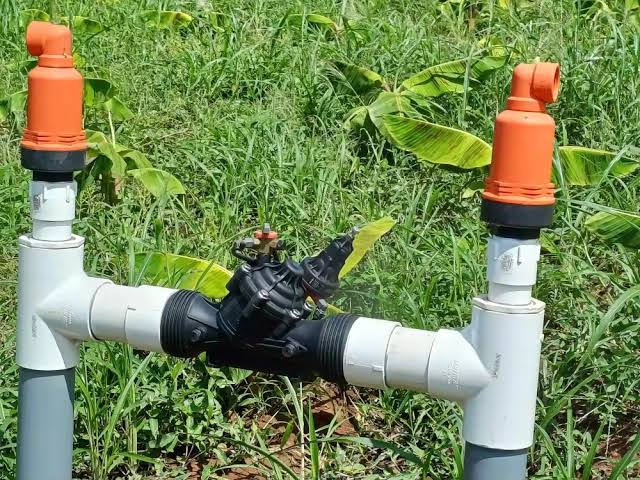
The Role of Air Release and Vacuum Relief Valves
Air Release Function
During system start-up, large volumes of air must be expelled from the pipeline as water fills the system. Air release valves allow this trapped air to escape and help prevent:
- Air locks that restrict or block water flow.
- Pressure surges caused by compressible air pockets.
- Inaccurate instrumentation readings.
- Excessive compression of air within the pipeline.
Vacuum Relief Function
During shutdowns or rapid changes in flow conditions, these valves admit air into the system, reducing the risk of:
- Pipeline collapse due to vacuum conditions.
- Back-siphoning of contaminants.
- Water hammer associated with negative pressure and flow reversal.
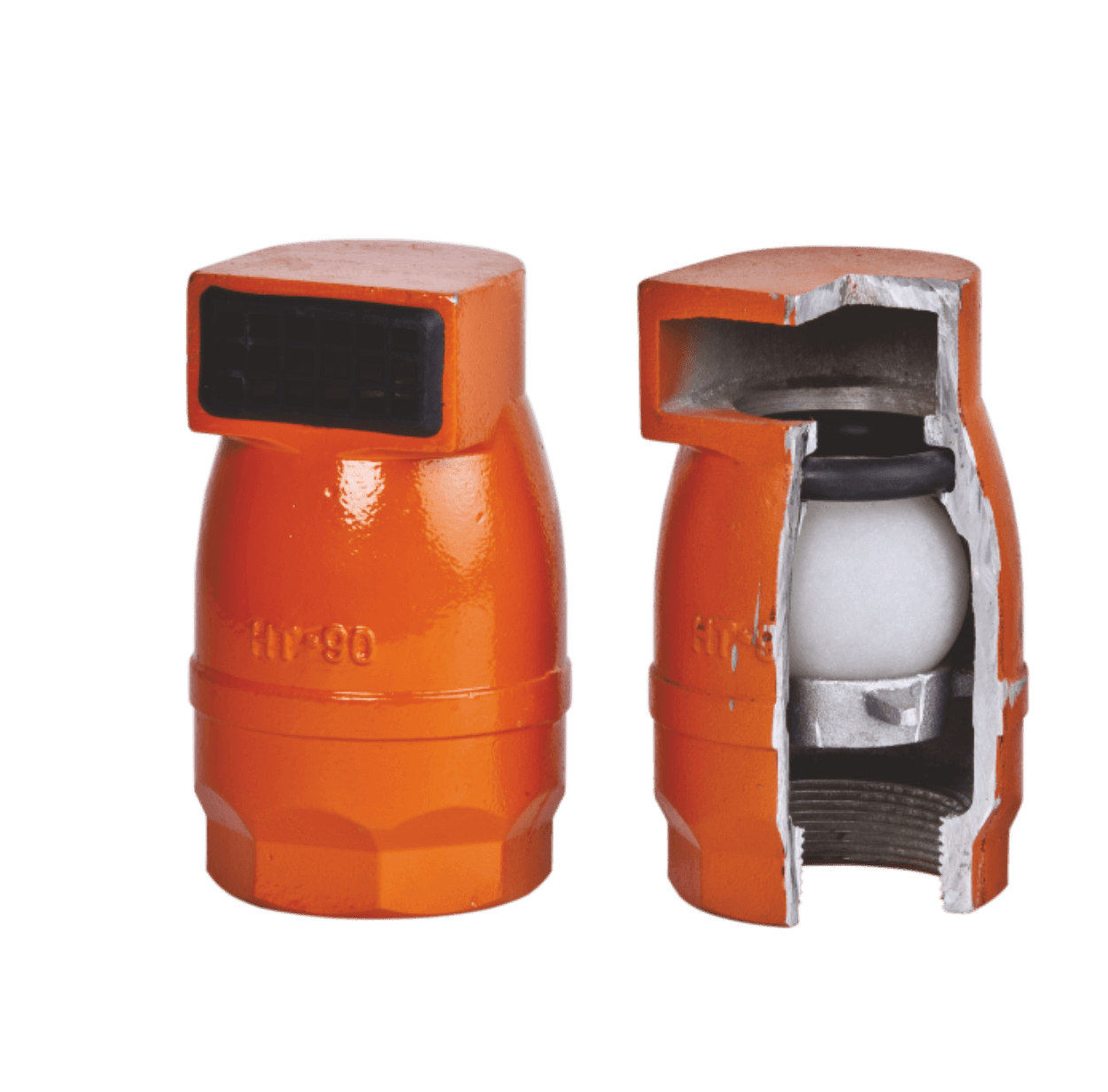
Why Continuous Air Release Valves Are Also Important
Standard air release/vacuum relief valves are designed primarily for filling and draining cycles. Once the pipeline reaches operating pressure, they typically remain closed. However, air can continue entering the system during normal operation through a variety of mechanisms, including:
- Leaks on the pump suction side.
- Fertilizer injection equipment.
- Falling water levels in wells.
- Vortex formation in reservoirs or canals.
Continuous air release valves are designed to remove these smaller volumes of accumulated air while the system remains pressurized. This ongoing air management helps maintain full hydraulic efficiency and reduces the risk of flow restrictions and pressure transients.
How to Select the Right Air Valve
Proper valve sizing should be based on actual air flow requirements and operating pressures rather than nominal pipe size alone. Key considerations include:
1. The volume of air that must be released or admitted.
2. The operating pressure during air discharge.
3. The valve's performance characteristics under those specific conditions.
A valve should be capable of handling the required air flow without prematurely closing. If a valve closes before the necessary volume of air has been discharged, it may not provide adequate system protection.
Key Locations for Air Valves
Proper placement is as important as correct sizing. Recommended installation points include:
- High points along the pipeline.
- Upstream of pump check valves.
- At locations where a pipeline begins to slope downward.
- At the end of mainlines.
- Downstream of air entrainment points.
- Downstream of control valves.
- Near filter stations and backflush systems where air accumulation may occur.
Installation Considerations
Avoid Turbulent Flow Zones
Continuous air release valves can only remove air effectively when the air has migrated to the top of the pipeline. Components such as elbows, valves, pumps, and flow meters create turbulence that mixes air throughout the water stream. Installing valves too close to these disturbances reduces effectiveness.
Proper Riser Connections
The riser connecting the air valve to the pipeline should:
- Connect to the top of the pipeline.
- Have an adequately sized base connection.
- Maintain a consistent upward slope toward the valve when offset risers are used.
Pump Installations
When two pumps operate in series, air valves should not be installed between adjacent pumps unless the source pump maintains positive pressure on the downstream pump. Proper placement is typically downstream of the pumping equipment.
Reservoir and Canal Connections
When pipelines are supplied from reservoirs or canals, air valve placement depends on the elevation of the valve relative to the water level. Correct positioning helps ensure both air evacuation and vacuum protection during operating and shutdown conditions.
Special Considerations for Filter Stations
Filter installations often require both double-acting and continuous-acting air valves. Typical locations include:
- At filter inlets where air may accumulate.
- At downturns in flush discharge piping.
- At downturns where filtered water exits the station.
Proper placement helps maintain filtration efficiency and protects equipment from pressure fluctuations.
Benefits of Effective Air Valve Design
A properly designed air management system provides:
- Improved hydraulic efficiency.
- Reduced risk of water hammer.
- Protection against vacuum conditions.
- Greater pipeline reliability.
- Increased equipment lifespan.
- More accurate flow measurement.
- Lower maintenance requirements.
Conclusion
Air management is a critical but often overlooked aspect of pipeline design. Air release and vacuum relief valves protect systems during filling, operation, and draining while minimizing the risks associated with trapped air and vacuum formation. By selecting the appropriate valve type, sizing it correctly, and installing it in the right locations, operators can significantly improve system performance and extend the life of their infrastructure.